Column · @cesarbwvv401
Norweco Singulair Green Maintenance Essentials You Should Not Ignore
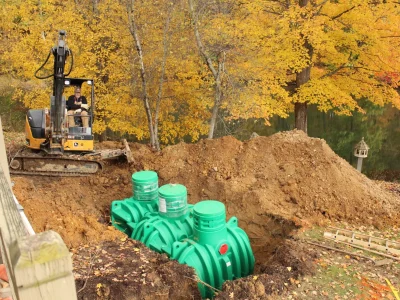
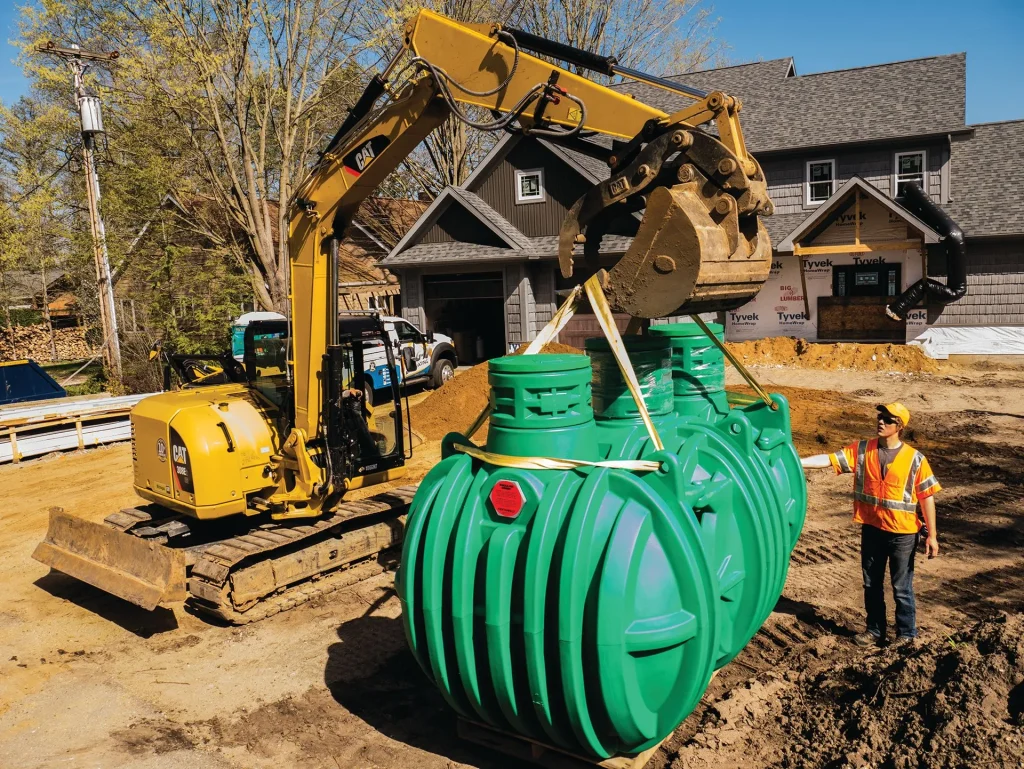
A Norweco Singulair Green system is not the kind of equipment most property owners think about until something smells wrong, backs up, or triggers an alarm. That is a mistake I have seen more than once. Advanced treatment units are reliable when they are cared for, but they are less forgiving than a basic septic tank when owners assume they can be left alone for years at a time.
The appeal is easy to understand. A system like the norweco singulair green is designed to treat wastewater to a higher standard than a conventional septic setup. That makes it attractive for sites with poor soil, small lots, environmentally sensitive areas, or local regulations that demand better effluent quality. What many owners do not fully appreciate is that better treatment depends on active mechanical and biological processes. Those processes need attention.
Maintenance is not glamorous, but it is cheaper than repairs, permit trouble, yard excavation, or a failed drainfield. It also protects the part of the property you cannot see, which is often where the biggest costs hide.
Why this system deserves a different mindset
A standard septic tank mostly separates solids from liquids and relies heavily on the soil for final treatment. A Singulair Green type of aerobic treatment system adds components that work harder. Depending on the exact installation and local code requirements, that may include aeration, clarification, flow control, disinfection, pumps, alarms, and electrical controls. The unit is doing more than holding wastewater. It is actively treating it.
That means two things for the owner.
First, the system performs best when its biology stays stable. Aerobic bacteria need oxygen, steady wastewater flow, and a reasonable diet. Second, the mechanical parts need routine inspection. Compressors wear, diffusers can foul, floats can stick, filters can clog, and alarms only help if someone responds when they sound.
I have seen owners spend thousands replacing landscape features, repairing soggy yards, and pumping emergency overflows, all because a small maintenance issue was ignored for months. In one case, the root cause was a simple clogged air intake. The homeowner thought the faint alarm chirp was a low battery on something in the garage. By the time the service company arrived, the treatment process had already been compromised.
The living heart of the system
The most overlooked part of any aerobic treatment unit is the biology. People understand a pump. They understand a switch. Fewer people think about the microbial community that actually breaks down waste.
The bacteria inside the treatment chamber are doing steady work every day. They thrive on consistency. They do not like shock loads of bleach, solvents, paint wash water, strong disinfectants, or large bursts of grease. They also struggle when a vacation home sits empty for long stretches and then suddenly hosts ten guests for a holiday weekend.
This is where experience matters more than generic advice. Many homeowners hear “don’t use chemicals” and assume the answer is to panic over every bottle under the sink. That is not practical. Normal household use of standard cleaning products is usually manageable when used responsibly. The problems show up when products are overused, dumped directly, or combined with bad habits such as flushing wipes, pouring fryer grease down the drain, or backwashing water treatment equipment into a system not designed for it.
You do not need perfect conditions. You need reasonable ones. Think in terms of protecting a biological process rather than “keeping the tank clean.” A treatment unit should not be sterilized. It should be supported.
Service intervals are not optional paperwork
One of the worst habits I see is treating scheduled service as a box norweco singulair green to check only when required by a permit. If your county, installer, or service contract calls for inspections on a set schedule, there is a reason. These visits are not ceremonial. A trained technician checks the parts of the system that most owners are not equipped to evaluate properly.
During routine service, a professional may inspect sludge and scum levels, verify aeration, test alarms and controls, look for signs of short cycling or hydraulic overloading, assess effluent quality visually, clean filters, and check whether pumps or float switches are behaving as they should. A small issue caught during a normal visit often costs far less than a failure discovered after sewage reaches the surface.
For many installations, one to three service visits per year is a common range, though exact requirements vary by model, usage, local health rules, and site conditions. Pumping intervals are also variable. Some tanks need attention every few years, others on a different schedule depending on occupancy and solids loading. The right answer comes from inspection data, not guesswork.
Skipping service because the yard looks dry and the toilets still flush is a bit like skipping oil changes because the engine still starts. The system can continue operating while declining.
What owners should pay attention to between service visits
You do not need to become your own wastewater technician, but you should know what “normal” looks and sounds like on your property. Familiarity matters. When the compressor hum changes, when an alarm panel lights up, when the discharge area seems wetter than usual, or when odors start appearing around the tank or vent locations, that is useful information.
A homeowner’s role is partly observation and partly restraint. Observe the system, and restrain the impulse to ignore early symptoms.
Here are the most important warning signs worth acting on quickly:
- Persistent sewage or sulfur odors near the unit, discharge area, or plumbing fixtures.
- Alarms, flashing lights, or breaker trips related to the treatment system.
- Unusually wet soil, standing water, or lush green patches around the system area.
- Slow drains or backups that affect more than one fixture in the house.
- A sudden change in sound from the aerator, pump, or other electrical components.
Any one of these can have multiple causes, and none should be diagnosed casually. Sometimes the fix is simple. Sometimes it points to overload, component wear, or solids carryover. Either way, delay usually makes the repair more expensive.
Pumping is still necessary, even with advanced treatment
A common misunderstanding is that an advanced treatment unit somehow “eats everything” and no pumping is needed. That is false. Aerobic action can improve breakdown, but solids still accumulate. Sludge and scum still build up. If those layers are allowed to become excessive, they can reduce treatment efficiency and carry solids into places where solids do not belong.
This is one of those maintenance essentials owners ignore because the tank is underground and the problem progresses quietly. By the time symptoms are obvious, the damage may already extend beyond the tank itself.
Proper pumping removes accumulated solids before they interfere with treatment or downstream components. The timing depends on household size, water use habits, garbage disposal use, and the design of the system. A two-person household living modestly may produce a very different pumping interval than a six-person home with frequent guests and a love of long showers.
What matters is not a universal calendar but a documented pattern. Good service records tell the story. Over time, your technician can see whether solids are building faster than expected, whether a component is allowing carryover, or whether the household’s water habits are stressing the system.
Air delivery and aeration issues can snowball fast
On a norweco singulair green system, aeration is not an accessory. It is central to treatment. If the air supply drops, performance often declines faster than owners expect.
Compressors and aerators can weaken gradually. Intake filters can clog. Diffusers can foul. Hoses can crack or loosen. In some cases, the unit still makes noise, so the owner assumes it is fine. That is risky. “Running” and “running correctly” are not the same thing.
I remember one property where the homeowner insisted the aerator could not be the issue because he could hear it every morning from the patio. He was right about the sound. He was wrong about the performance. The compressor was laboring, airflow was poor, and the treatment chamber had already lost much of the healthy activity you want to see. Catching that earlier would have turned a bigger service call into a modest maintenance adjustment.
Poor aeration tends to show up as odor, cloudy effluent, sludge changes, or generally weak treatment. It can also put other components under strain because the system no longer behaves the way it was designed to.
Filters, screens, and small parts create big problems when ignored
Owners tend to focus on dramatic failures, a dead pump, a flooded yard, a screaming alarm. In practice, some of the most disruptive septic problems begin with minor neglected items. An effluent filter that is not cleaned when needed can restrict flow. A float coated with buildup can stop moving freely. A corroded connection can cause intermittent faults that are hard to track down.
These are not headline repairs, but they matter because they interfere with timing and flow. Wastewater treatment depends on controlled movement through the system. If a filter plugs or a switch sticks, you can end up with retention problems, backups, or inconsistent discharge.
This is one reason I tell owners not to treat every service invoice as a nuisance. A technician cleaning and checking these parts is often preventing the kind of failure that leads to emergency rates, after-hours calls, and very unpleasant weekends.
Water use habits matter more than most people think
A well-maintained system can still struggle if the house sends too much water too quickly. Hydraulic overload is one of the quiet killers of onsite wastewater treatment. The system may not have time to settle solids properly or complete treatment steps as intended.
The issue is not only the total amount of water used in a day. Timing matters. Doing five loads of laundry back to back, hosting overnight guests, running long showers, and draining a large tub in the same evening can hit the unit hard. High-efficiency fixtures help, but behavior matters just as much.
If you want the system to last and perform properly, adopt a few habits that reduce stress:
- Spread laundry across the week instead of doing many loads in one day.
- Repair leaking toilets and faucets promptly, because constant trickle flows add up.
- Keep fats, oils, grease, wipes, and hygiene products out of the plumbing.
- Moderate use of bleach and strong cleaners, especially in concentrated amounts.
- Divert roof drains, sump pumps, and other clear water away from the wastewater system.
These are simple changes, but they make a real difference. A leaking toilet can send hundreds of extra gallons through a system over time. A family that spaces out water use often avoids symptoms that another household blames on “bad equipment.”
Disinfection components need respect, not improvisation
Some installations include a disinfection stage, often because the treated water is discharged in a way that requires extra pathogen reduction under local rules. When that is the case, owners should not improvise. If the system uses a specific tablet type or another approved disinfection method, use only what the manufacturer and local authority allow.
This is an area where well-intentioned substitutes can create damage or noncompliance. Not all chlorine tablets are interchangeable. Pool tablets, for example, are not the same thing as products intended for wastewater disinfection and can damage equipment or behave unsafely. If your service provider handles this part of the system, let them. If owners are responsible, they should be trained on the exact product and handling procedure required for that installation.
The larger point is that treatment performance is only part of the compliance picture. A system can “seem fine” to the owner and still fail to meet permit expectations if the final treatment step is neglected.
Landscaping and access are part of maintenance
I have met owners who spend money on regular service and still make the technician’s job harder every visit. Lids are buried under mulch beds, air intakes are hemmed in by shrubs, and access points disappear under decorative stone. This creates delays, extra labor, and sometimes accidental damage.
Keep risers and lids accessible. Maintain clear working space around service points. Do not plant deep-rooted trees or thirsty shrubs too close to the system components. Roots do not care that the tank cost thousands of dollars. They go where moisture and nutrients are available.
Also pay attention to vehicle traffic. Do not drive over treatment tanks, lines, or dispersal areas unless the design explicitly allows it. Compaction can hurt soil performance, and structural damage to underground components is much more expensive than rerouting a truck or trailer.
Good landscaping around a wastewater system is understated. Grass is usually better than ambitious planting. What looks sparse from a gardening perspective often looks ideal from a maintenance perspective.
Seasonal properties and low-occupancy homes need special judgment
Not every property uses wastewater the same way year-round. Vacation homes, guest houses, and cabins can create odd patterns. Long idle periods may reduce the biological activity in the system. Then heavy use returns all at once. That swing can affect treatment quality.
Owners of seasonal properties should talk with their service provider about startup checks, pre-season inspections, and whether any special operating steps are recommended after long vacancy. The right approach depends on the exact configuration and how the property is used. Generic advice is less helpful here than model-specific guidance.
Cold weather can also expose weaknesses. Insufficient use, poor insulation over shallow lines, or failing equipment may show up more clearly in winter. On the other hand, summer guest loads can reveal hydraulic limits. Different seasons stress different parts of the system.
Record keeping protects both the system and the owner
This may sound administrative, but it matters. Keep maintenance reports, pumping receipts, repair notes, and any permit-related paperwork in one place. If there is ever a property sale, warranty question, regulatory inspection, or recurring problem, those records are valuable.
More importantly, records help establish patterns. If the same alarm condition appears every summer, that tells you something. If solids accumulation accelerated after occupancy changed, that matters. If a compressor was replaced recently and performance still seems weak, the technician has a starting point.
Memory is unreliable. Written records are not.
When to call a professional immediately
There is a broad category of problems owners should not try to troubleshoot beyond basic observation. Electrical issues, repeated alarms, pump failures, sewage surfacing, and backups affecting multiple fixtures all deserve prompt professional attention. So do any signs that effluent may be reaching areas it should not.
This is not a system where online guesswork is a good substitute for a qualified service provider. Modern treatment units are mechanical, electrical, and biological all at once. A fix that appears obvious on the surface can miss the actual cause.
I have seen homeowners replace parts that were not bad, pour additives into systems that did not need them, and reset alarms repeatedly without correcting the failure behind them. That usually ends with a larger bill and a preventable mess.
The most expensive maintenance mistake is waiting
If there is one theme that runs through every advanced onsite treatment system I have seen, it is this: delay multiplies cost. Small maintenance issues stay small only when someone acts on them.
The Norweco name has a strong reputation because these systems can perform very well when installed correctly and norweco singulair green maintained consistently. But no manufacturer can design around neglect forever. The norweco singulair green is a working treatment plant on a residential scale. Treat it that way and it will usually reward you with stable operation, fewer emergencies, and longer component life.
Owners do not need to become experts in wastewater engineering. They do need to respect the system, support the biology, keep water use reasonable, respond to warning signs, and stay on schedule with qualified service. Those are the maintenance essentials that should never be ignored, because the system certainly will not ignore them.
Excavating New Jersey LLC
406 County Rd 565, Wantage, NJ 07461, United States
+1 973-791-4284
FAQ About norweco singulair green
How much does a NORWECO septic system cost?
The installed cost depends on the selected unit, engineering, site access, excavation, electrical work, disposal-field design and required approvals. A tank-only price is not a complete installation quote. Ask Excavating New Jersey LLC for a site-specific, itemized estimate that also explains ongoing service costs.
How does a Norweco septic system work?
The Singulair Green uses pretreatment, aeration, clarification and filtration to treat domestic wastewater. In the aeration chamber, oxygen supports bacteria that break down organic material. The Bio-Kinetic unit provides further filtration and flow equalization. Final effluent disposal must follow the property's approved design and applicable requirements.
What is the average lifespan of a septic system?
There is no guaranteed lifespan for every system. Design, installation, soil conditions, wastewater loading and regular maintenance all matter, and mechanical parts may need replacement before the tank. For a Singulair Green system, follow the manufacturer's service schedule and have a qualified provider assess its condition and pumping needs.