Column · @cesarbwvv401
The Homeowner’s Guide to Norweco Singulair Green Service
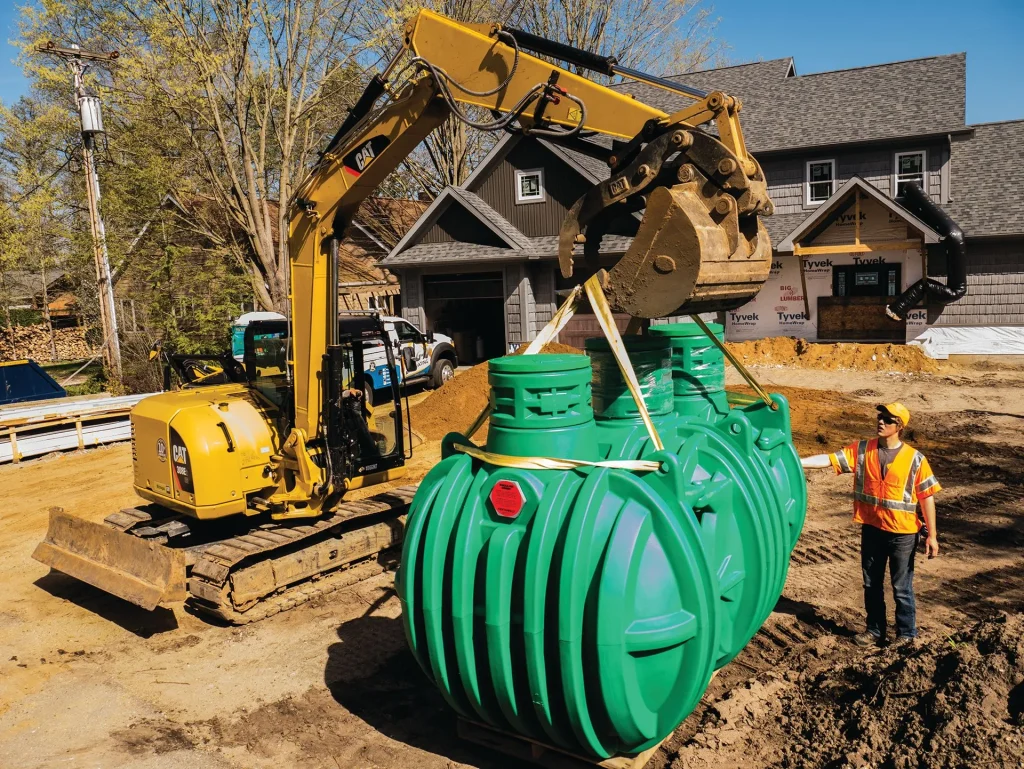
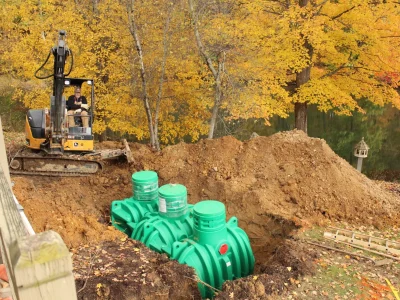
If you own a home with a Norweco Singulair Green system, regular service is not optional in any practical sense. It is part of keeping the treatment unit working as designed, part of protecting your property, and part of norweco singulair green avoiding the kind of repair bill that tends to show up at the worst possible time. These systems are well engineered, but they are not maintenance free. A homeowner who understands what service actually involves is in a much better position to spot trouble early, ask good questions, and avoid paying for work that does not solve the real problem.
I have seen the same pattern many times with onsite wastewater systems. A homeowner notices an alarm, an odor, soggy ground, or plumbing that seems slow, then scrambles to find help. In many cases, the issue did not begin that week. It had been building for months through skipped inspections, neglected aeration equipment, clogged filters, or simple misunderstandings about how the system is supposed to operate. The Norweco Singulair Green line is no different. It rewards steady attention and tends to punish neglect in expensive ways.
That does not mean you need to become a wastewater technician. It does mean you should know what a proper service visit looks like, what parts matter most, what warning signs deserve action, and how your own habits inside the house affect treatment performance.
What a Norweco Singulair Green system is really doing
A conventional septic tank mainly separates solids from wastewater and relies heavily on the drain field for final treatment. A Norweco Singulair Green system goes further. It is an aerobic treatment unit, which means it uses oxygen and mechanical components to promote more complete treatment before the water leaves the tank. That extra treatment can be useful on properties where soil conditions, lot size, environmental restrictions, or local code requirements call for a higher-performing system.
In plain terms, the unit is trying to create the right environment for aerobic bacteria to break down waste more effectively than a passive septic tank can. That requires air delivery, circulation, settling, and a reasonably balanced flow of household wastewater. When all of that is working, effluent quality is generally better than what you would expect from a basic tank. When one part of the process starts failing, the system can slide out of balance faster than many homeowners realize.
That is why service matters so much with the norweco singulair green setup. You are not just checking a box for compliance. You are maintaining a treatment process with moving parts and biological activity, both of which need attention.
Why regular service matters more than most homeowners expect
Homeowners sometimes assume that if toilets flush and no alarm is sounding, the system must be fine. That is a risky assumption. Many treatment problems begin quietly. An aerator can weaken before it fully fails. Solids can build gradually. A filter can clog enough to affect flow while the rest of the house still seems normal. Effluent can deteriorate before symptoms become obvious at the surface.
The cost difference between routine service and deferred service is often dramatic. A planned inspection and adjustment may take less than an hour. Replacing neglected components, pumping out an overloaded unit, repairing downstream damage, or addressing a field problem can cost many times more. The same is true of nuisance issues. A faint odor today may become a persistent yard problem later, especially in warm weather or after heavy use in the home.
There is also the compliance angle. In many jurisdictions, aerobic treatment units require ongoing service agreements, documented inspections, or periodic reporting. Even where enforcement is light, that paperwork matters when you sell the home. Buyers, lenders, and inspectors often ask for service records. A neat stack of documented maintenance visits can make a system seem routine and manageable. A missing history tends to raise questions.
What happens during a proper service visit
Not every service company works to the same standard, so it helps to know what a competent technician should actually be checking. A real service call is more than a quick glance at the lid and a signature on a form. The technician should assess the mechanical side, the treatment condition inside the unit, and the discharge path.
A thorough visit often includes checking the aerator or air delivery equipment, confirming that the alarm system functions, inspecting electrical connections, reviewing sludge and scum accumulation, and looking at any filter or clarification components. Depending on the system configuration, the technician may also inspect the discharge pump, float controls, chlorination or disinfection components if present, and the condition of the final disposal area or discharge point.
Good service also includes judgment, not just box-checking. A seasoned technician can tell the difference between a system that is merely due for routine pumping and one that shows signs of abuse, hydraulic overload, grease loading, or chemical disruption. I have seen tanks where the mechanical parts were technically running, but the treatment process was still performing poorly because the household was sending too much bleach, too much grease, or too much water in short bursts.
You should expect plain-language feedback after the visit. If the explanation sounds vague, press for specifics. Ask what was checked, what condition it is in, what should be watched before the next visit, and whether pumping is recommended based on actual solids levels rather than a guess.
The parts homeowners should understand
Most homeowners do not need to know every internal detail, but a little familiarity goes a long way.
The aerator is one of the key components. It supplies the oxygen needed for aerobic treatment. If it weakens or stops, the system can lose treatment efficiency quickly. Some failures are obvious because an alarm activates. Others show up first as odor, poor water quality, or unusual sludge characteristics.
The control panel and alarm are your early warning system. Many people treat an alarm like a smoke detector with a dying battery, something annoying to silence until later. That is a mistake. If the panel is sounding or flashing, the system is telling you that one part of the treatment or pumping process needs immediate attention. Resetting it without understanding the cause is like covering a check-engine light with tape.
The clarification area and filter elements help keep solids from moving downstream. Once solids escape where they do not belong, problems become more expensive. This is one reason filter cleaning and solids monitoring are so important.
If your setup includes a pump tank or timed dosing, those controls matter just as much as the treatment chamber. A treatment unit can produce acceptable effluent, but if the pump is failing or floats are sticking, distribution to the disposal area becomes uneven. That can stress the field and shorten its life.
How often service should happen
The right schedule depends on local regulations, household usage, and site conditions, but many aerobic treatment systems are inspected more often than conventional septic tanks for a reason. Quarterly service is common in some areas. In other places, semiannual service may be typical if regulations and manufacturer guidance allow it. Pumping intervals vary even more, because solids accumulation depends heavily on occupancy and habits.
A small household with disciplined water use can often go longer between pump-outs than a crowded home with frequent guests, heavy laundry days, and lots of kitchen grease entering the system. I have seen two similar homes on similar lots with completely different pumping needs simply because one family was careful and the other treated the drains like a trash can.
The best approach is not to chase a universal timetable. Instead, use a schedule that reflects actual inspections, solids observations, and your service provider’s documented recommendations. If someone insists every system must be pumped on the same calendar interval regardless of use, that is a sign they are working from convenience rather than condition.
Signs your system needs attention sooner rather than later
Some warning signs are obvious. Others are easy to dismiss until they become harder to ignore. If you notice any of the following, it is worth scheduling service promptly.
- The alarm panel is sounding, flashing, or showing an alert you do not understand.
- There is a persistent sewage odor near the tank, vent, yard, or discharge area.
- Plumbing fixtures drain slowly, especially after normal household water use.
- The lawn is unusually wet, lush, or spongy near the treatment area.
- You hear the aerator, pump, or control equipment behaving differently than usual.
One point is worth stressing here. A single symptom does not always point to a single cause. Slow drains could be an indoor plumbing issue, a filter restriction, a high-water condition, or a failing pump. Wet ground might reflect a leak, a dosing problem, poor drainage after storms, or field stress. That is why diagnostics matter. Guessing gets expensive fast.
What homeowners can do between service visits
Regular professional maintenance does most of the heavy lifting, but homeowner habits strongly influence system life. The treatment process responds to what goes down the drain, how much water enters the unit, and how consistently the flow arrives.
Here are the simplest habits that prevent a surprising number of service calls:
- Spread out laundry loads instead of running many back to back.
- Keep grease, wipes, feminine products, and paper towels out of the system.
- Use cleaners in moderation rather than dumping large amounts at once.
- Watch for leaking toilets or fixtures that add constant flow.
- Protect risers, lids, and control components from vehicle traffic and damage.
Those may sound basic, but they matter. A leaking toilet can send hundreds of extra gallons through the system over time. I have seen homeowners focus on treatment chemistry while ignoring a silent flapper leak that was flooding the unit day and night. Likewise, “flushable” wipes continue to create problems across all kinds of systems. If a product does not break down readily, it does not belong there, whatever the packaging claims.
The service agreement question
Many owners of norweco singulair green systems have some form of service agreement, whether required by local rules or simply recommended by the installer. Not all agreements are equal. Some cover scheduled inspections only. Others include minor adjustments, alarm response, certain replacement parts, or emergency calls. Before renewing automatically, read the details.
Ask how many visits are included, what gets inspected, whether sampling or reporting is part of the price, and how after-hours alarms are handled. Find out whether consumables or wear items are covered. Clarify who is responsible for pumping coordination and whether the provider keeps detailed records of sludge levels, repairs, and observations.
I have met homeowners who assumed “full service” meant every future issue was covered, only to learn that aerator replacement, pump work, electrical troubleshooting, and pumping were all billed separately. That does not make the agreement bad, but it does mean you should understand exactly what you are buying.
Choosing a service company without getting burned
The best provider is not always the cheapest one, especially with aerobic treatment units. Competence matters more than coupon pricing. You want a company that is familiar with this kind of system, responsive when alarms occur, and willing to explain its findings clearly.
Ask practical questions. How long have they serviced Norweco units? Do they stock common replacement parts? How quickly do they respond to high-water or alarm calls? Will they document solids levels and component condition? Can they distinguish between treatment issues and downstream disposal issues? Those answers tell you more than glossy marketing.
It also helps to notice how they talk. Good technicians usually describe the system in concrete terms. They explain whether the aerator is drawing properly, whether the sludge blanket is building, whether the filter needs cleaning, whether the pump cycle looks normal, whether the discharge line appears unobstructed. Weak providers tend to stay vague, saying things like “it needs maintenance” without showing what they actually observed.
If you just bought the house and inherited the system, it is reasonable to get a baseline inspection from a reputable service company even if the previous owner says everything is fine. A fresh set of eyes often catches overdue pumping, deferred repairs, or missing documentation.
Common mistakes that shorten system life
The biggest mistake is treating an aerobic unit like a passive septic tank. It is more capable, but it also depends on functioning equipment and steady upkeep. Once homeowners understand that, a lot of bad decisions become easier to avoid.
Another common mistake is overloading the system hydraulically. Weekend guests, long showers, multiple laundry loads, and water softener discharge can combine into a rough few days for the unit. One busy holiday weekend will not necessarily break a healthy system, but repeated surges do add stress. If your home sees periodic heavy occupancy, that is worth mentioning to your service provider because it can affect pumping and maintenance timing.
Chemical shock is another issue. Most homes can use normal cleaning products without major trouble, but concentrated dumping is different. Large amounts of disinfectants, solvents, paint residues, or harsh drain chemicals can interfere with the biological treatment process. The same goes for sending food waste, grease, and nondegradable items into a system that was never designed to digest them at that rate.
Then there is simple neglect. Lids get buried. Risers become hard to access. Alarm panels are ignored. Service records vanish into a drawer. Months later, nobody remembers what was last repaired or when the tank was last pumped. Wastewater systems reward organization more than homeowners expect.
What to keep in your own records
A simple folder, paper or digital, can save a lot norweco singulair green of confusion over the years. Keep copies of service reports, pumping receipts, installation details, permit paperwork, repair invoices, and notes on any alarms or unusual events. If a technician mentions an aging aerator or a float that is starting to stick, write it down even if it does not need replacement yet.
That history helps in three ways. First, it gives future technicians context. Second, it helps you track recurring issues and avoid duplicate work. Third, it makes life easier if you refinance or sell the home. A buyer is far more comfortable with a specialized wastewater system when the owner can produce clear maintenance records instead of saying, “I think it was serviced sometime last year.”
Seasonal and weather-related issues
Weather changes how these systems behave, even when the equipment itself is indoors or underground. Heavy rainfall can saturate soils and affect disposal areas. Drought can change how the yard behaves and make odors more noticeable. Freezing weather can expose shallow or poorly protected components. Hot weather can intensify smells that were present all along but mild enough to miss in cooler months.
Service timing sometimes needs to reflect those realities. For example, if a disposal area tends to struggle during rainy seasons, that is not the time to be uncertain about pump performance or solids levels. If your property gets very cold winters, it is wise to make sure lids, risers, and exposed piping are in good condition before freezing weather arrives.
One practical note from field experience: homeowners often blame the treatment unit first when a wet yard appears after major rain. Sometimes they are right. Sometimes the real issue is simply saturated ground combined with drainage patterns on the property. The service provider should be able to help separate a system problem from a broader site-water problem.
Repair versus replacement
Most service calls do not lead to full system replacement. More often, they involve repairing or replacing a component, pumping accumulated solids, cleaning filters, adjusting floats, or correcting misuse. Still, there comes a point where repeated failures, age, or downstream damage can make more substantial work sensible.
The decision usually comes down to condition, cost, and risk. If a single worn component fails on an otherwise healthy system, repair is straightforward. If several major parts are aging at once and the disposal area is also showing stress, the economics change. Spending money in small increments can feel easier, but sometimes it is the more expensive path over two or three years.
This is where a good service company earns its keep. You want candid advice, not fear-driven upselling and not blind optimism. A trustworthy provider will tell you when a repair is sensible and when you are better off planning ahead for larger work.
Living comfortably with the system
A properly maintained Norweco Singulair Green system should not dominate your daily life. Most owners settle into a rhythm. They keep service appointments, respond quickly to alarms, use water reasonably, and stay mindful of what enters the drains. After that, the system becomes just another part of home infrastructure, important but manageable.
The homeowners who have the fewest problems are usually not the ones who know the most technical detail. They are the ones who stay observant and act early. They notice when the alarm panel changes, when the yard behaves differently, when odors appear, when a toilet starts leaking, when service records are missing, when a technician’s explanation does not quite add up. That kind of attention is often the difference between routine maintenance and a major headache.
If you own a norweco singulair green unit, the safest mindset is simple. Respect the system, service it on schedule, and do not wait for a small symptom to turn into a large repair. That approach protects the equipment, the property, and your wallet better than any shortcut ever will.
Excavating New Jersey LLC
406 County Rd 565, Wantage, NJ 07461, United States
+1 973-791-4284
FAQ About norweco singulair green
How much does a NORWECO septic system cost?
The installed cost depends on the selected unit, engineering, site access, excavation, electrical work, disposal-field design and required approvals. A tank-only price is not a complete installation quote. Ask Excavating New Jersey LLC for a site-specific, itemized estimate that also explains ongoing service costs.
How does a Norweco septic system work?
The Singulair Green uses pretreatment, aeration, clarification and filtration to treat domestic wastewater. In the aeration chamber, oxygen supports bacteria that break down organic material. The Bio-Kinetic unit provides further filtration and flow equalization. Final effluent disposal must follow the property's approved design and applicable requirements.
What is the average lifespan of a septic system?
There is no guaranteed lifespan for every system. Design, installation, soil conditions, wastewater loading and regular maintenance all matter, and mechanical parts may need replacement before the tank. For a Singulair Green system, follow the manufacturer's service schedule and have a qualified provider assess its condition and pumping needs.